
Introduction
Injuries can be tough, and the journey to recovery can be a bumpy road. Whether it’s a sprained ankle, a broken bone, or a sports injury, the idea of getting back to your normal life may seem far away. However, physiotherapy can be your secret weapon in this process. In this blog, we’ll break down the key advantages of physical therapy for injury recovery in simple terms, making it easy to understand why it’s so important.
Physiotherapy For Effective Pain Management
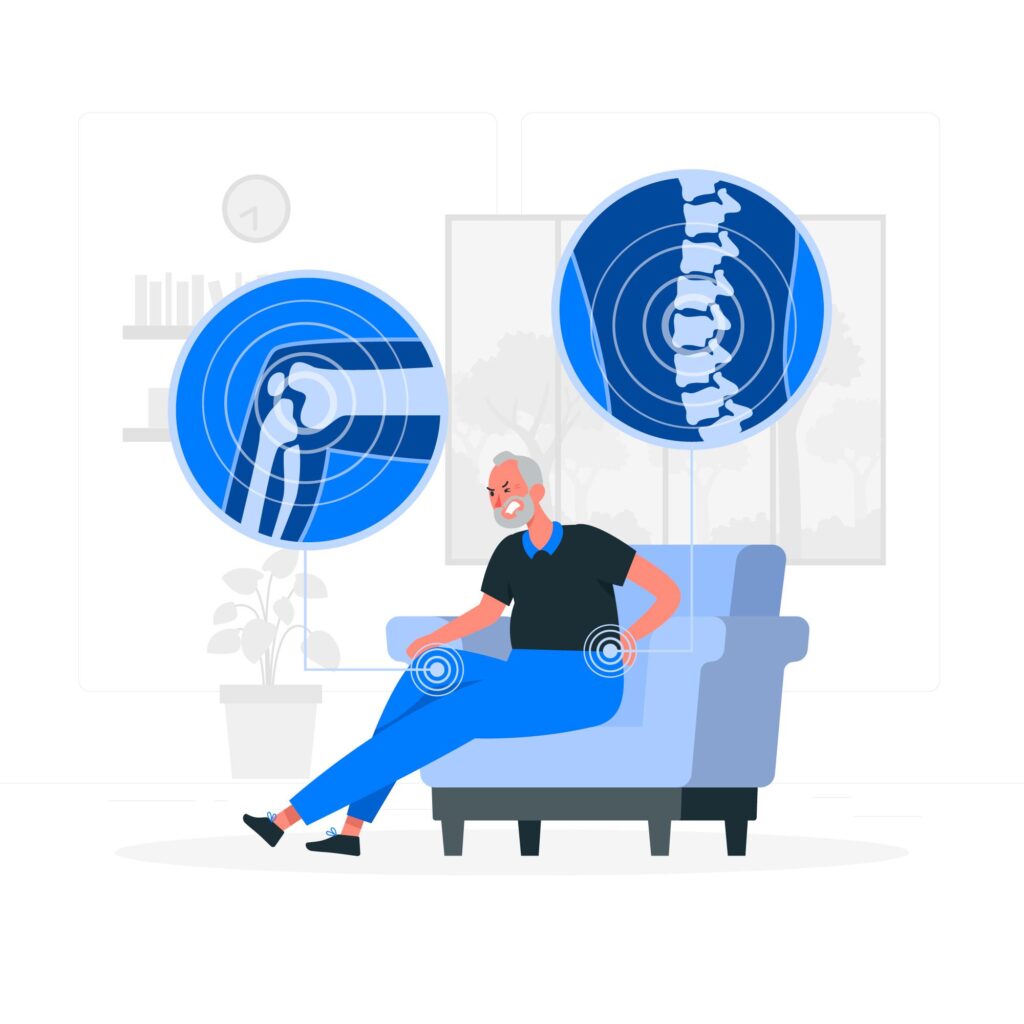
Pain often comes with injuries, and it can be a real bother. Physiotherapists know how to handle pain. They use methods like gentle hands-on techniques, hot or cold treatments, and special exercises to make you feel better. By taking care of the pain, physiotherapy helps you move more comfortably.
Getting Your Moves Back
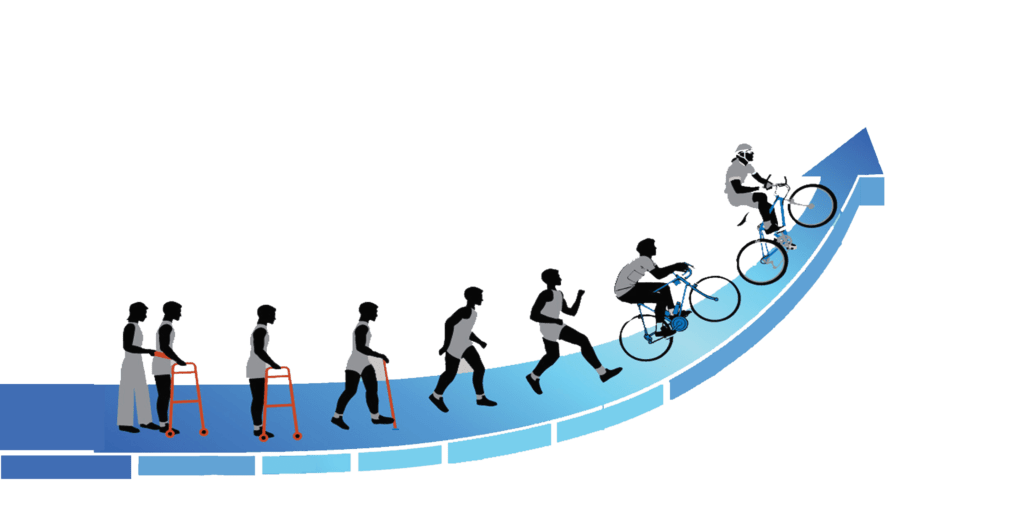
Injuries can leave you feeling stiff and awkward. Physiotherapists have tricks up their sleeves to help you regain your normal movements. They design exercises that focus on the injured area, slowly making it stronger, more flexible, and better coordinated. The goal is to get you back to doing everyday things as quickly as possible.
Avoiding Future Problems

If you don’t deal with your injury properly, it might cause long-term issues. Physiotherapy like an insurance policy against this. It helps you build stronger muscles, improve your posture, and fix the way you move. This reduces the chances of having more problems in the future.
Personalized Help

The best part about physiotherapy is that it’s all about you. No two injuries are exactly the same, and physiotherapists know this. They create a plan just for you and your injury, considering your goals and needs.
Speedy Recovery
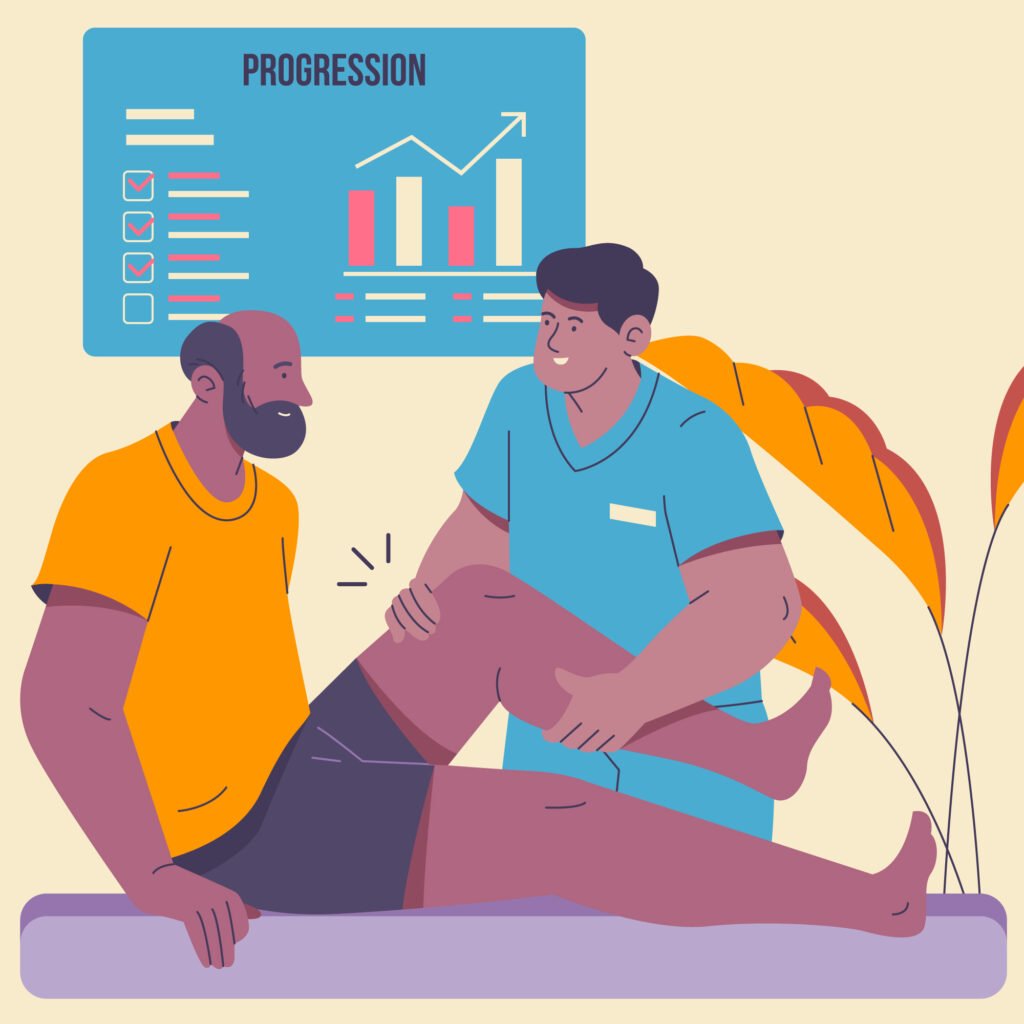
Physiotherapy can make your recovery faster. By treating the root causes of your injury, it helps you heal more quickly. This not only means less frustration but also fewer chances of dealing with more issues later on.
Learning and Preventing
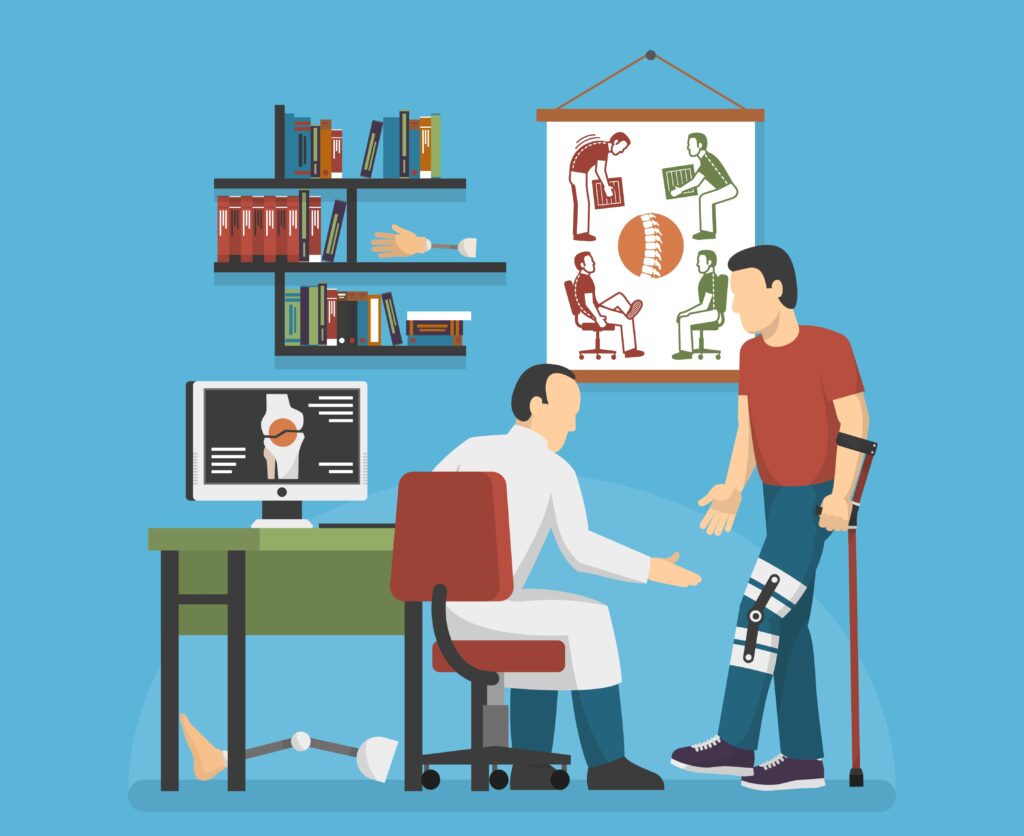
Physiotherapists teach you a lot about your injury. They explain why it happened and how to avoid it in the future. You’ll also learn exercises and stretches you can do at home to stay in good shape and avoid new injuries.
No Need For Surgery (Sometimes)

Physiotherapy has the potential to prevent the need for surgery in certain instances. By strengthening and rehabilitating the injured area, it might become stable enough to avoid going under the knife. Even when surgery is necessary, preparing with physiotherapy can make your post-surgery recovery smoother.
Living Better

In the end, injury recovery is not just about fixing your body; it’s about improving your life. Physiotherapy helps you regain your independence, reduces pain, and makes you feel better overall. The focus is on leading a more joyful and healthier life.
Conclusion
In simple terms, physiotherapy is your partner in recovering from an injury. It eases pain, helps you regain your movement, prevents future problems, speeds up recovery, and provides a personalized plan just for you. Plus, it’s like a lesson in injury prevention. So, if you or someone you know is on the mend after an injury, remember the many benefits of physiotherapy – it can be your ticket to a speedier and smoother recovery.
Explore Our Specialized Treatments
Are you curious about the diverse range of specialized treatments we offer to enhance your well-being? Delve into our comprehensive list of treatment specialties that cater to your unique needs and concerns.
For a detailed overview of our treatment specialties, click here.